

|
Cultural attractions Historical attractions Monasteries, cathedrals Architectural attractionsOld Dilijan Swinging Bridge in Khndzoresk TUMO Center for Creative Technologies Byurakan Observatory Gyumri Charents Arch Natural attractions Unusual attractions |
Old Dilijan (Tavush) R3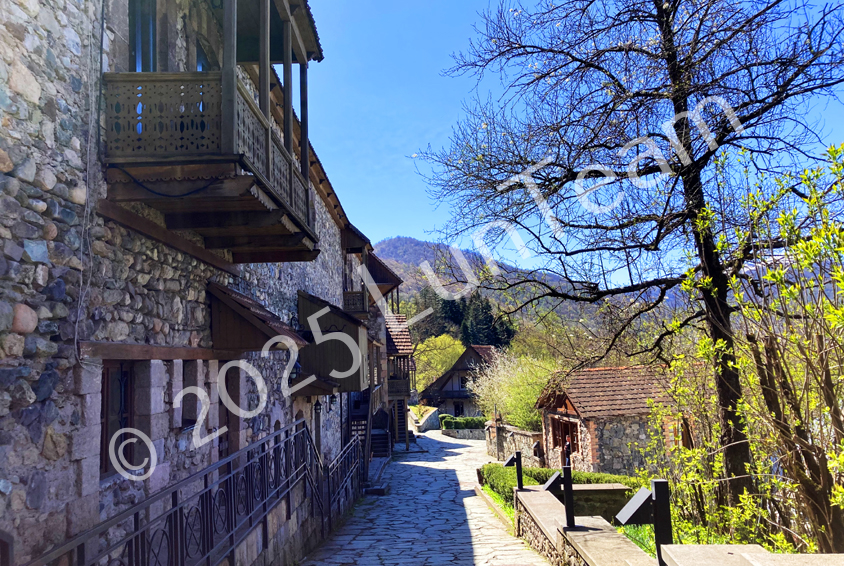
If you are dreaming of peace, fresh air, and restoration of energy, head to Dilijan - a resort town in the mountains, surrounded by dense forests and pristine lakes. It is known not only for its healing mineral springs, but also for its tranquil nature, historic architecture, and spiritual atmosphere. Within walking distance lies one of the largest nature reserves of the South Caucasus, the Dilijan National Park, where you can relax by the Parz and Gosh lakes, stroll along scenic trails, or try ziplining and the rope park. The town is located 100 km from Yerevan - the drive takes about an hour and a half. From Lake Sevan, the trip is shorter - just 20–30 minutes. Archaeological findings show that a settlement existed on the site of modern Dilijan as early as the 2nd century BCE, and the first mention of its current name appears in 17th-century sources. Starting from the 18th century, Dilijan gained fame as a popular resort frequented by Armenian intellectuals. During the Soviet era, dozens of sanatoriums operated here, and today the town remains a sought-after destination for rest and wellness. 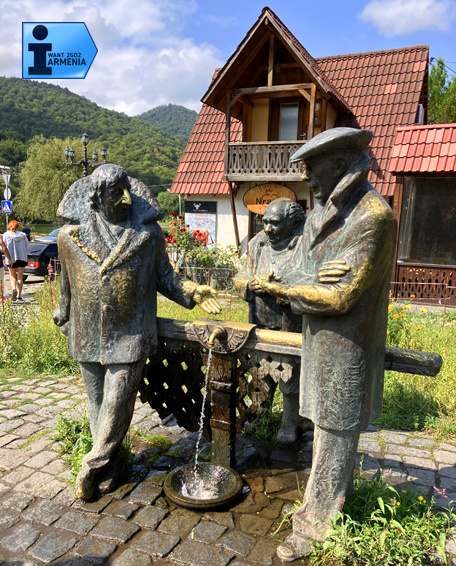
Among the local attractions is the bronze sculpture of the characters from the film “Mimino”, which has become an unofficial symbol of the town. And not far from Dilijan are the famous medieval monasteries of Haghartsin and Goshavank - must-see sites in this region. >>>>>>>>>>>>>>>>>>>>>>>>>>>>>>>>>>>>>>>>>>>>>>>>>>>>> Book a tour to Old Dilijan Swinging Bridge in Khndzoresk (Syunik) R5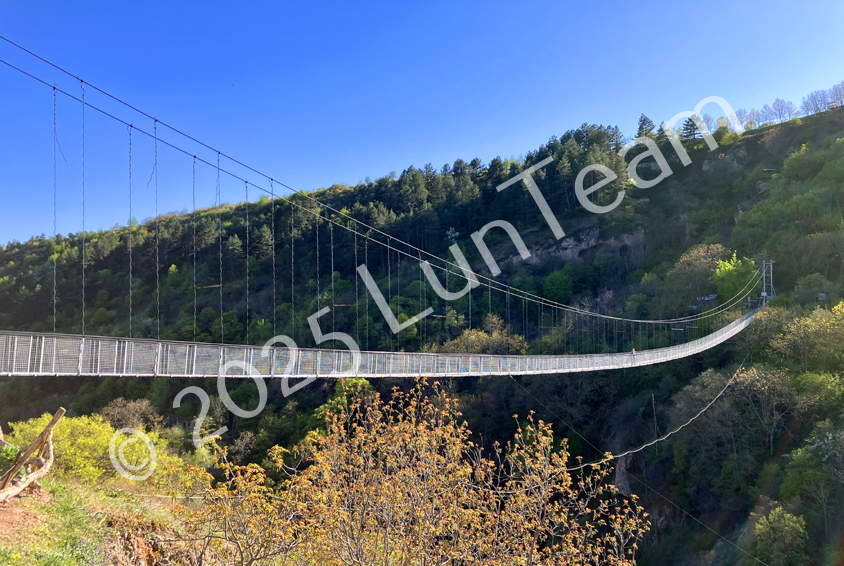
The hanging bridge in Khndzoresk, stretched across a picturesque gorge, evokes a surge of emotions in those who cross it - from fear to admiration. Its dimensions are impressive: 63 meters above the ground and 160 meters in length. Built in just a few months, it connects Old Khndzoresk with the burial site of Mkhitar Sparapet. The bridge is unique not only for its scale but also because it was constructed manually, without harming nature, blending harmoniously into the surrounding landscape. >>>>>>>>>>>>>>>>>>>>>>>>>>>>>>>>>>>>>>>>>>>>>>>>>>>>> Book a tour to Swinging Bridge in Khndzoresk TUMO Center for Creative Technologies (Shirak)In the central park of Gyumri stands a remarkable snow-white building, formerly known as the “People’s House.” Built about 150 years ago with donations from local residents, it became a cultural center that hosted concerts, literary evenings, and theatrical performances. It was in this building, on August 4, 1912, that the premiere of the first Armenian national opera - “Anush” by Armen Tigranyan - took place, a tragic love story destroyed by the tradition of blood vengeance. The modern structure, redesigned by Lebanese architect Bernard Khoury, serves a different purpose today: it houses the TUMO Center, where young people study creative and digital technologies. Byurakan Observatory (Aragatsotn) R6At the Byurakan Observatory, you can “see” a meteor shower, solar and lunar eclipses, and even a planetary parade in a single visit - all thanks to scientific exhibits and an atmosphere filled with the spirit of outer space. The observatory was home to the renowned astrophysicist Viktor Ambartsumian, and it remains an important astronomical center for the countries of Southwest and Central Asia. Nearby, between Orgov and Tegher, stands the hidden Herouni Radio-Optical Telescope, which operated from the late 1980s. It was this telescope that detected a powerful explosion of a red giant in the constellation Gemini. The site is secluded and little-known, but its otherworldly atmosphere makes it well worth the trip. Next to the observatory are a research institute and the unfinished “Arev” solar power plant, whose construction began in the 1990s during an energy crisis. Although the project was never completed, renewed interest in green energy may one day bring it back to life. Gyumri (Shirak) R8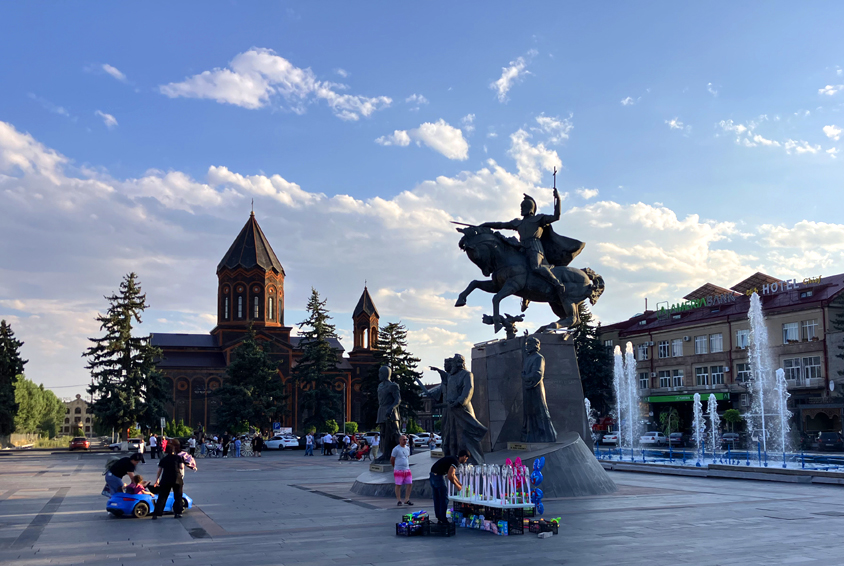
Gyumri is an ancient city with a rich history dating back to the 8th century. Over the centuries, it has changed its name several times: originally known as Kumayri, it became Alexandropol in 1837, and from 1924 to 1990 it was called Leninakan. After Armenia gained independence, the city’s historical name was restored in a modernized form - Gyumri. Located 125 km from Yerevan, in the Shirak Valley, the city is surrounded by scenic mountains - the Shirak and Pambak ranges, as well as the foothills of Mount Aragats. Gyumri is perfect both for a one-day trip and for a longer stay. Even with limited time, it is worth seeing the key attractions: Vardanants Square - the heart of the city, surrounded by the All Savior Church, the Church of the Holy Mother of God, the City Hall, and the historic “October” cinema. The Historic District - narrow streets with houses built of black and red tuff, arches, and carved balconies preserving the atmosphere of past centuries. The Black Fortress - built in 1829 on the western outskirts of the city, a reminder of the Russian Empire era. The Museum of Folk Architecture and Urban Life - located in the mansion of the merchant Dzitoghtsyan (1872), showcasing examples of pre-revolutionary urban life. Additionally, it is worth visiting the Central Park, the Alexandropol Brewery, the Khachkar Park, the Russian Chapel, and the Marmashen Monastery. Fans of Soviet cinema will especially enjoy the museum of the great actor Frunzik Mkrtchyan, who was born in Gyumri. >>>>>>>>>>>>>>>>>>>>>>>>>>>>>>>>>>>>>>>>>>>>>>>>>>>>> Book a Tour in Gyumri 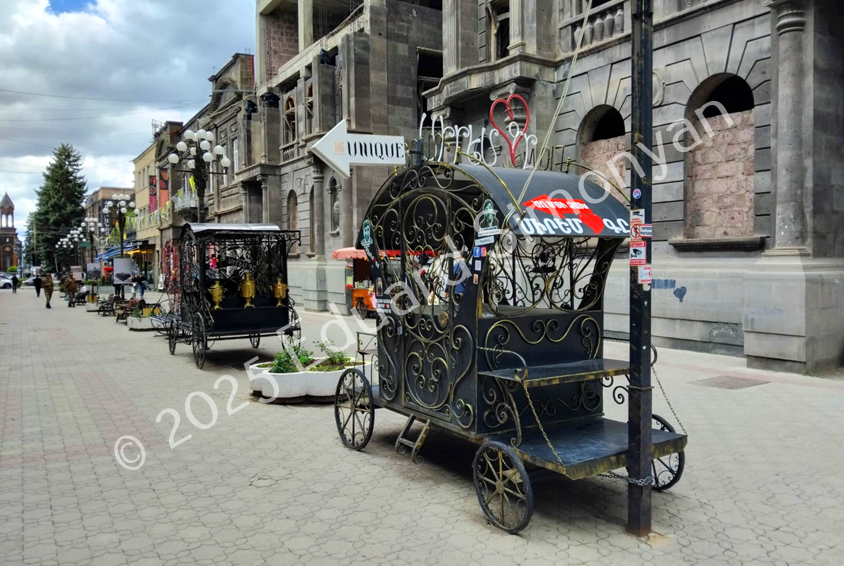 Charents Arch (Yerevan) R1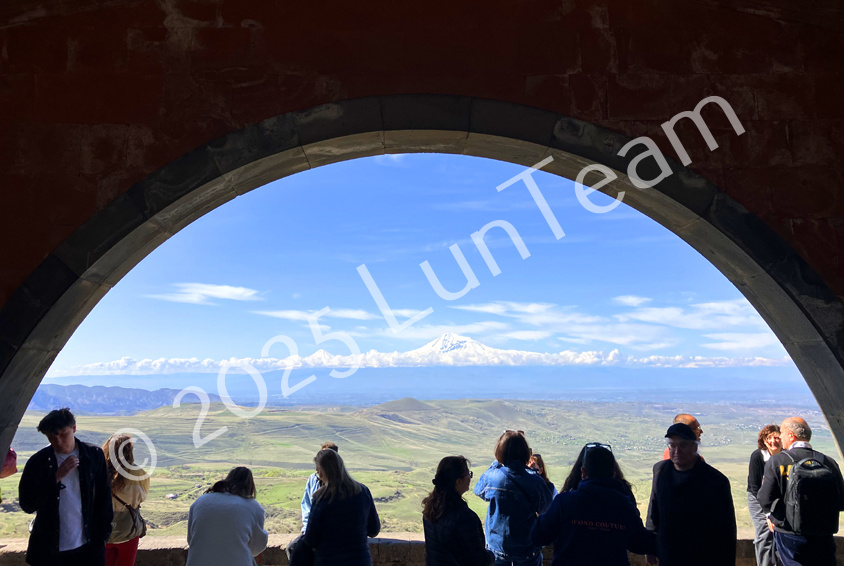
Charents Arch >>>>>>>>>>>>>>>>>>>>>>>>>>>>>>>>>>>>>>>>>>>>>>>>>>>>> Book a tour to Charents Arch |
| info@iwant2go2armenia.ru | © 2025 LunTeam |
|---|