

|
Cultural attractions Historical attractions Monasteries, cathedrals Architectural attractions Natural attractionsMount Ararat Symphony of Stones (Garni Gorge) Lake Sevan Shaki Waterfall Lichk Waterfalls Areni Cave (“Birds’ Cave”) Mineral Waters in Jermuk Lake Arpi Azat Reservoir and ‘Khosrov Forest’ Lastiver Lake Gosh Devil’s Bridge Selim Pass Jermuk Waterfall Anomalous Zone on Mount Aragats Lake Kari Kasakh Gorge Lake Parz Unusual attractions |
Mount Ararat (Ararat) R4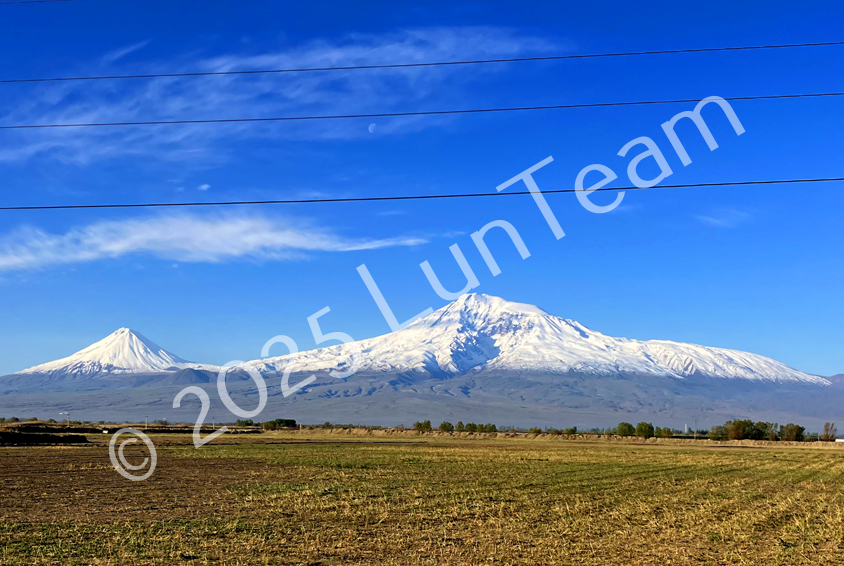
Ararat is one of the main symbols of Armenian identity, celebrated in songs and immortalized in the works of great artists, including Aivazovsky. For Armenians, this mountain is not merely a geographical landmark but a national sacred symbol, depicted on the country’s coat of arms together with Noah’s Ark. According to the biblical tradition, it was on its slopes that the Ark came to rest after the Great Flood. Although Ararat is now located on the territory of Turkey, Armenians still perceive it as an inseparable part of their culture and history. After the signing of the Moscow Treaty in 1921, the mountain was definitively ceded to Turkey - a painful moment in the national memory. Nevertheless, Ararat still rises majestically on the horizon, its snow-covered peaks clearly visible from Yerevan and the surrounding areas. Some of the most beautiful views open from the Charents Arch near Garni, from the observation point on Mount Aragats, and of course from the Khor Virap Monastery, where in clear weather the legendary peak can be seen in all its beauty. >>>>>>>>>>>>>>>>>>>>>>>>>>>>>>>>>>>>>>>>>>>>>>>>>>>>> Book a tour to Mount Ararat Symphony of Stones (Garni Gorge) (Kotayk) R1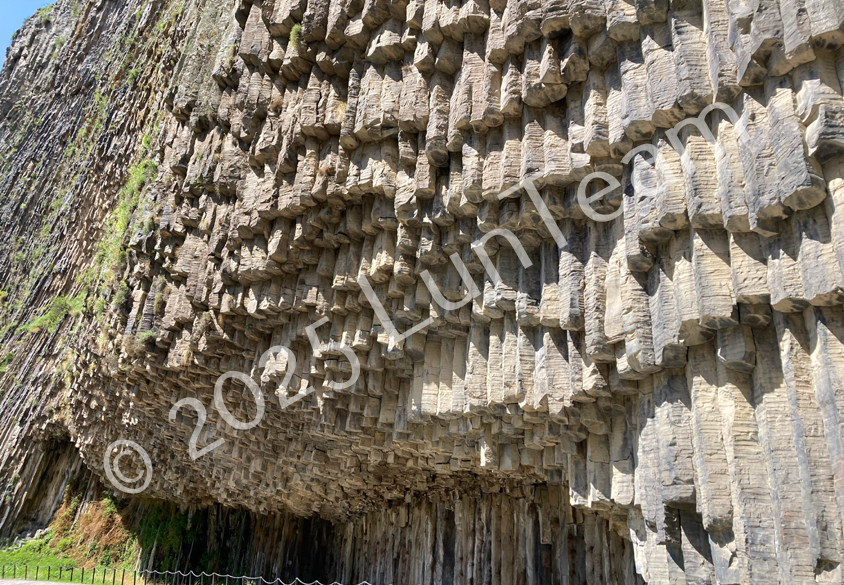
Not far from the Garni Temple stretches the gorge of the same name, where nature has created a truly unique sight - a geological formation known as the “Symphony of Stones.” It consists of perfectly aligned hexagonal basalt columns that resemble the pipes of a giant organ. The striking symmetry and scale give the impression that you are looking at the work of a master craftsman rather than the result of volcanic activity. On the way to Garni, it is worth stopping briefly at the Charents Arch - a viewpoint offering a picturesque panoramic view of the Ararat Valley. The “Symphony of Stones,” also known as the “Stone Organ,” is one of those places where nature seems to showcase its own architectural mastery. >>>>>>>>>>>>>>>>>>>>>>>>>>>>>>>>>>>>>>>>>>>>>>>>>>>>> Book a tour to the Symphony of Stones Lake Sevan and Sevanavank Monastery (Gegharkunik) R3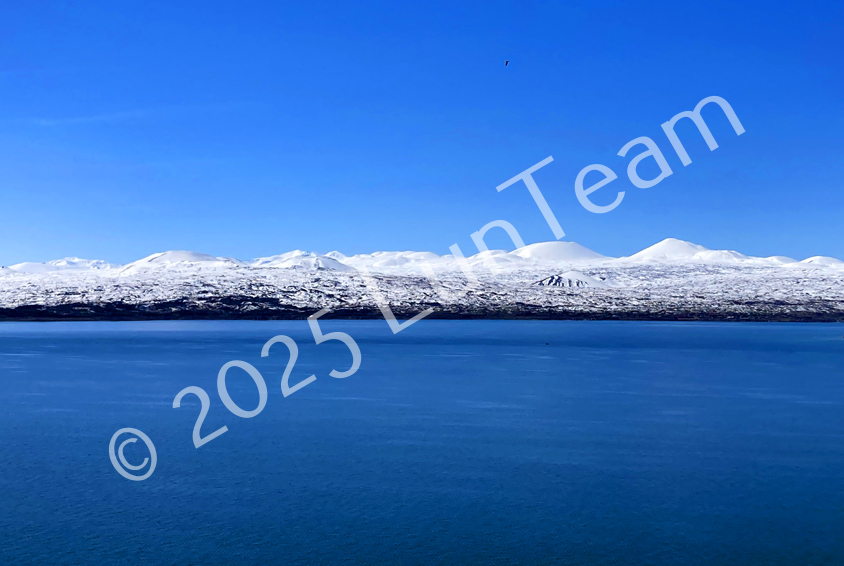
Lake Sevan is a true natural treasure of Armenia and the largest body of water in the entire Caucasus. Situated at nearly 2,000 meters above sea level, it stretches between mountain ranges and is rightfully considered Armenia’s “inland sea.” Due to the country’s lack of access to the ocean, Sevan plays for Armenians the same role that Lake Balaton plays for Hungarians: a place of rest, history, and inspiration. Its cool waters are especially popular in midsummer - from July to September, when the temperature rises to around 20°C. Standing on the shore of Sevan is the Sevanavank Monastery, founded in the 4th century by Saint Gregory the Illuminator on the site of a former pagan shrine. The monastery flourished in the 7th–9th centuries, when monks settled here and churches, cells, and chapels were built. At various times, Sevanavank served not only as a spiritual center but also as a refuge for Armenian kings. It was here that King Ashot II the Iron won a legendary victory over an Arab army. From the 16th century onward, the monastery gradually fell into decline, and by the 20th century it was abandoned. However, in recent years monastic life has resumed. Today, the churches of Surb Astvatsatsin and Surb Arakelots - remarkable examples of medieval Armenian architecture - remain standing. If you have extra time, you can stay by the lake for a few days, especially in summer. It is easy to get here from Yerevan: the 65-kilometer road takes about two hours. A more scenic but more challenging route runs through the Selim Pass toward the town of Martuni. This path is suitable for experienced road travelers, though many note the poor road conditions. Besides the lake and the monastery, you should definitely visit the ancient Noratus Cemetery, the world’s largest collection of khachkars (carved stone crosses). Many legends are associated with this place. One tells how Armenian prince Gegham once ordered the khachkars to be “dressed” in armor to frighten a superior Turkish force. From a distance, the stones truly resembled an army, and the enemies, terrified, retreated. Another story concerns a small chapel where locals supposedly hid from the Tatar-Mongols using a secret passage. Those who could not hide, according to legend, were turned into doves by prayer and flew away into the sky. Historians believe the name “Sevan” may come either from the word “Sevanavank” (“Black Monastery”) or may be inherited from the Urartian language - a transformation of the ancient name of the lake, Tsuini/Swini. The lake and its surroundings form an ecosystem with unique flora and fauna: around 1,500 plant species grow here, and dozens of animal and bird species inhabit the area. Sevan’s waters are rich in fish - including ishkhan trout, pike-perch, khramulya, barbel, and even omul, introduced from Lake Ladoga. The lake can be circled via a 200-kilometer loop road. Along its shores you’ll find numerous hotels, cottages, and beaches - both fully equipped and wild, untouched natural spots. Sevan is not just a place for relaxation, but an opportunity to experience centuries of history and enjoy Armenia’s breathtaking landscapes. >>>>>>>>>>>>>>>>>>>>>>>>>>>>>>>>>>>>>>>>>>>>>>>>>>>>> Book a tour to Lake Sevan Shaki Waterfall (Syunik) R5Shaki Waterfall, located near the town of Sisian, is rightfully considered one of Armenia’s most impressive natural attractions. Standing about 18 meters high, it cascades from a rocky ledge into a picturesque gorge surrounded by grottoes, caves, and rock niches. These natural formations give the area a special atmosphere, making it not only visually captivating but also archaeologically significant. Archaeological findings near the waterfall confirm that this place has attracted people since ancient times. The waterfall takes its name from the Shaki River, which feeds its flow before joining the Vorotan. Thanks to its convenient location, it is easy to reach: from the parking area, it takes only about five minutes on foot to get to the waterfall. During the warm months, travelers often take the opportunity to cool off in its refreshing waters. It is worth noting that after the launch of the Shaki Hydroelectric Plant, the waterfall became partially regulated: its intensity now depends on the HPP’s operating schedule. Therefore, before visiting, it is recommended to check on which days the waterfall can be seen at full strength - local guides or residents can provide this information. Despite its proximity to Sisian, many other attractions in the region are often overshadowed by Shaki Waterfall. Its natural power and beauty can truly be appreciated only in person - photographs and descriptions simply cannot convey the full atmosphere of this remarkable place. >>>>>>>>>>>>>>>>>>>>>>>>>>>>>>>>>>>>>>>>>>>>>>>>>>>>> Book a tour to Shaki Waterfall Lichk Waterfalls (Syunik)The Lichk Waterfalls are one of Armenia’s lesser-known but truly picturesque natural wonders. In the vicinity of the village of Zvaraget, on the slopes of the Meghri Range, mountain streams originate and descend to form a beautiful cascade of waterfalls. At the base of each one, natural pools with crystal-clear water have formed - perfect for swimming. The secluded atmosphere, the coolness of the water, and the steady sound of falling streams create a sense of complete tranquility and help visitors recharge. Areni Cave (“Birds’ Cave”) (Vayots Dzor) R4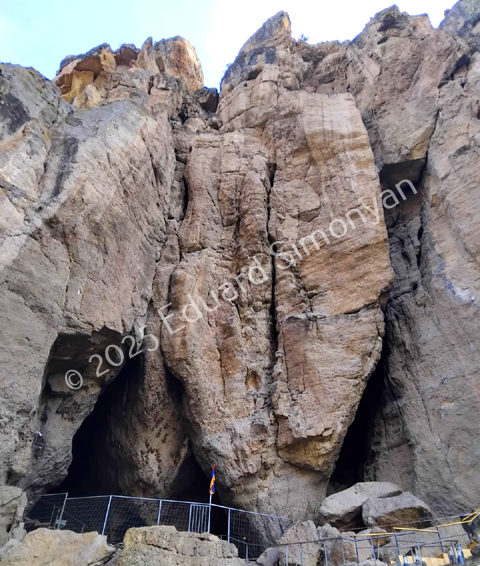
Areni Cave, also known as “Birds’ Cave,” is one of the key archaeological and tourist sites in the Vayots Dzor region. It is located in a picturesque gorge, and its entrance is hidden behind a narrow crevice leading into a branching system of underground chambers. During excavations, archaeologists uncovered cultural layers spanning from the 4th millennium BCE to the Middle Ages. The most significant discovery was made in 2010 - a leather shoe about 5,500 years old, recognized as the oldest known to science. Mineral Water Gallery in Jermuk (Vayots Dzor) R4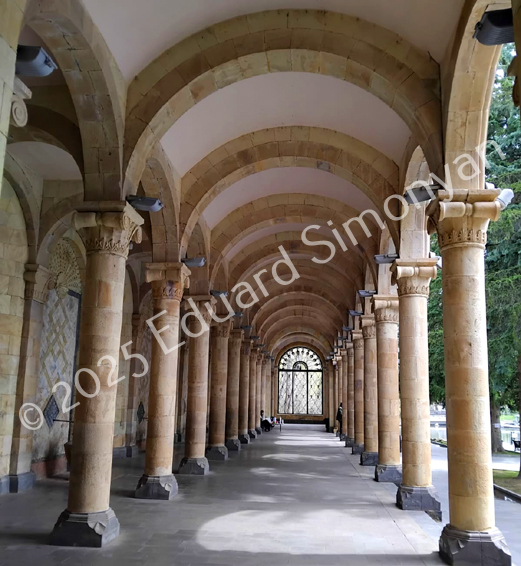
When visiting the high-mountain resort town of Jermuk, start your exploration with its main attraction - the Mineral Water Gallery. From dozens of taps, you can sample water of different temperatures and mineral compositions. However, it’s best not to try everything at once - an unaccustomed body may not react well. A better idea is to climb the nearby hill topped with the statue of a deer - the symbol of Jermuk. According to legend, a severely wounded deer, fleeing from a hunter, leaped into a mineral spring and was miraculously healed. The story quickly spread throughout the region, and since then the deer has become the emblem of this healing land. >>>>>>>>>>>>>>>>>>>>>>>>>>>>>>>>>>>>>>>>>>>>>>>>>>>>> Book a tour to Mineral Water Gallery in Jermuk Lake Arpi (Shirak)Lake Arpi National Park is a unique natural sanctuary home to around 670 plant species, including rare ones listed in the Red Book of Armenia. Many animals and birds live here as well - among them wild goats, brown bears, and about 190 bird species, 45 of which are protected. According to BirdLife International, this area is recognized as an important site for biodiversity conservation. The lake looks especially magical at sunset: the air grows still, and rare black storks may glide over the mirror-like water surface. Spotting them is considered a true stroke of luck. Azat Reservoir and ‘Khosrov Forest’ (Ararat) R1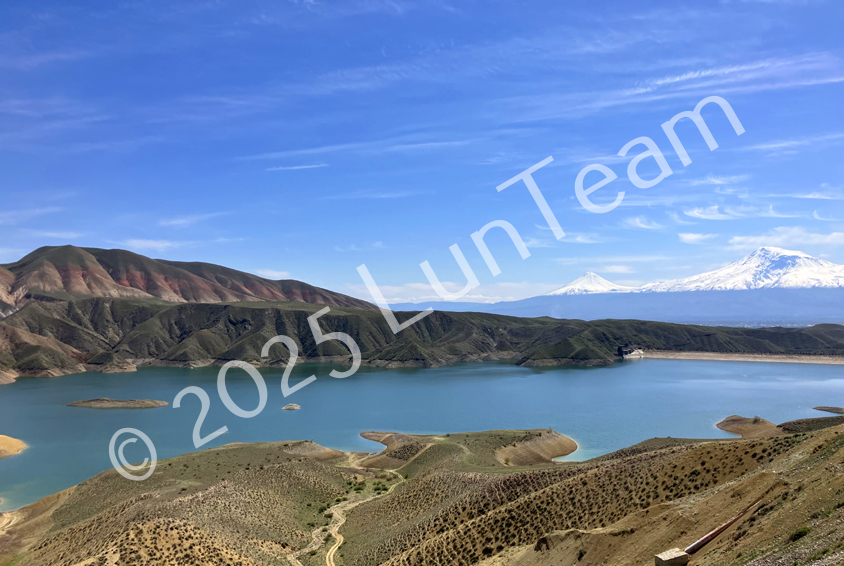
This trip promises unforgettable impressions, and getting here from Yerevan is not difficult. The natural scenery of the Azat Reservoir becomes especially magical at sunset, when the mountain slopes, reflected in the water, turn fiery red. At times, the landscape looks like something from another planet. Nearby lies the Khosrov Forest State Reserve - one of the oldest protected areas in the world. Once it served as the hunting grounds of King Khosrov II the Great, and it received official protected status in the mid-20th century. The reserve is home to four picturesque waterfalls, two of which bear the names of pagan deities - Vahagn and Astghik. According to legend, Astghik, the goddess of love, bathed in the local river under the cover of mist, while young men tried to catch a glimpse of her from the surrounding hills. Ancient Armenians believed that her union with Vahagn, the god of thunder, brought blessed rain and fertility to the land. Lastiver (Tavush)Lastiver is an ideal place for solitude and relaxation in nature. Ancient caves, once inhabited by hermits, have been preserved here, and cozy wooden huts are available for those who wish to stay overnight. Travelers seeking more active experiences should visit the nearby Yell Extreme Park in Yenokavan - a destination offering thrilling adventures and plenty of adrenaline. Lake Gosh (Tavush)
The Goshavank Monastery, like many churches in Armenia, stands on a hill offering a picturesque view of the Tavush Mountains. It was founded by Mkhitar Gosh - a prominent medieval scholar and theologian. In its time, the monastery served as an important cultural and educational center: here students were taught law, philosophy, history, and the arts, including poetry, painting, music, and calligraphy. Not far from the monastery, hidden deep within the Dilijan Nature Reserve, lies Lake Gosh - a popular leisure spot among locals. The lake is especially beautiful in autumn, when golden foliage is reflected in the calm surface of the water. However, reaching the lake is not easy: it can be accessed only on foot or by off-road vehicle due to the challenging road conditions. Devil’s Bridge (Syunik) R5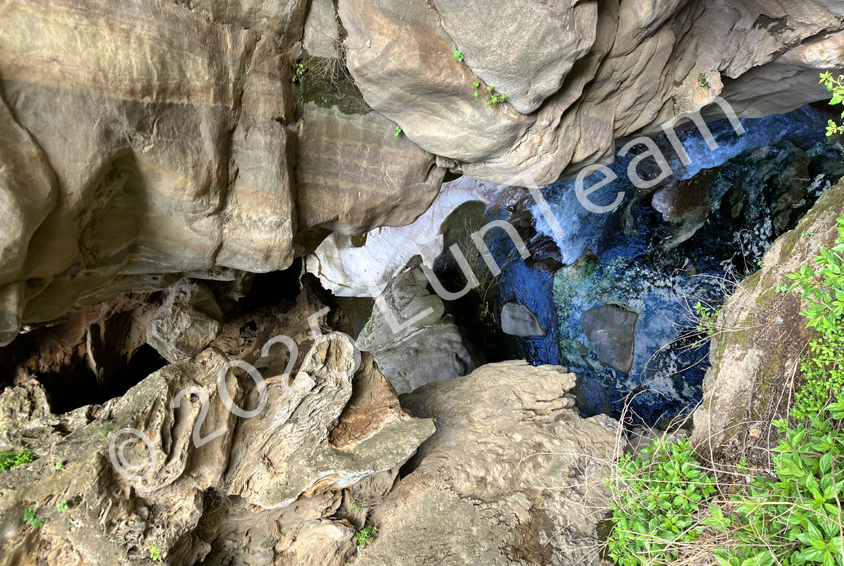
You can reach Devil’s Bridge (Satani Kamurj) from Yerevan via the M10 and E117 highways - the trip is about 300 km. This is one of the most mysterious natural formations in Armenia, located in the picturesque Vorotan River Gorge. If you are already in Tatev, the bridge is easy to reach with a rental car. The bridge itself is a natural passage formed from solidified lava, shaped over thousands of years by water and wind. It is about 30 meters long and up to 60 meters wide. The road leading to the Tatev Monastery passes directly over it. The surrounding landscape is stunning: mineral springs gush from the grottoes along the canyon walls, tinting them in shades of pink, yellow, and green. Beneath the arch of the bridge you’ll find stalactites, waterfalls, and natural pools filled with warm, healing water where visitors can take a dip. A staircase carved right into the rock leads down to the water, and there are changing cabins on-site. To learn more about the area and not miss any interesting details, you can join a guided tour - many local guides organize trips here. Selim Pass (Vayots Dzor) R4When traveling through Armenia by car, you should definitely stop by Lake Sevan - one of the country’s main natural symbols. The road from Yerevan passes through the scenic Selim Pass, located between Martuni and Yeghegnadzor. This is one of the highest mountain passes in Armenia, reaching an elevation of 2,410 meters above sea level. In winter, heavy snowfall is common here, so the best time to visit is summer. At the top of the pass stands the Selim Caravanserai, built in 1332 by order of Prince Chesar Orbelian. It served as a shelter for merchants and caravans traveling along the Great Silk Road. The basalt structure includes a spacious three-nave hall, a vestibule, a domed chapel, and small rooms for overnight stays. Bas-reliefs with the Orbelian family emblem have been preserved on the façade. After being damaged in the 15th–16th centuries, the caravanserai was restored in the mid-20th century and today is open to visitors. Jermuk Waterfall (Vayots Dzor) R4Jermuk Waterfall is one of Armenia’s most impressive natural attractions, located near the town of the same name at an elevation of about 2,000 meters above sea level. Its height reaches 68 meters, making it one of the tallest waterfalls in the country. The only higher one is the Kasakh Cascade (70 m), but it flows only during technical water releases from a hydroelectric plant. The water feeding the Jermuk Waterfall comes from the region’s mineral springs and is famed for its purity. As the streams descend from the cliffs, they form three dome-shaped terraces before flowing into the Arpa River. The waterfall’s width reaches 50 meters, and its power and beauty leave an unforgettable impression. Because of the shape of its streams, it is popularly known as the “Maiden’s Tresses.” A beautiful legend is associated with this place. It is said that a castle once stood atop the cliff, home to the daughter of a powerful prince. She fell in love with a shepherd’s son and disobeyed her father by attempting to escape, climbing down using her long hair. At that moment, a curse was fulfilled: she turned into a mermaid, and her hair became the flowing waters cascading down the rock. A paid parking area is available for visitors nearby, from where the waterfall can be reached on foot. >>>>>>>>>>>>>>>>>>>>>>>>>>>>>>>>>>>>>>>>>>>>>>>>>>>>> Book a tour to Jermuk Waterfall Anomalous Zone on Mount Aragats (Aragatsotn) R6There are places on our planet where the familiar laws of physics seem to stop working. One of these anomalous phenomena can be observed in Armenia - on the slope of Mount Aragats. Here, reality appears to be reversed: a car left on the incline begins to move not downward, but upward. Other objects behave the same way - a ball rolling downhill suddenly changes direction and rolls back up. Even the flow of a mountain stream seems to run upward. This unusual behavior of the environment sparks great curiosity and attracts many tourists each year. Visitors often report strange sensations: walking uphill feels easier than walking down, which makes this place especially mysterious. Lake Kari (Aragatsotn) R6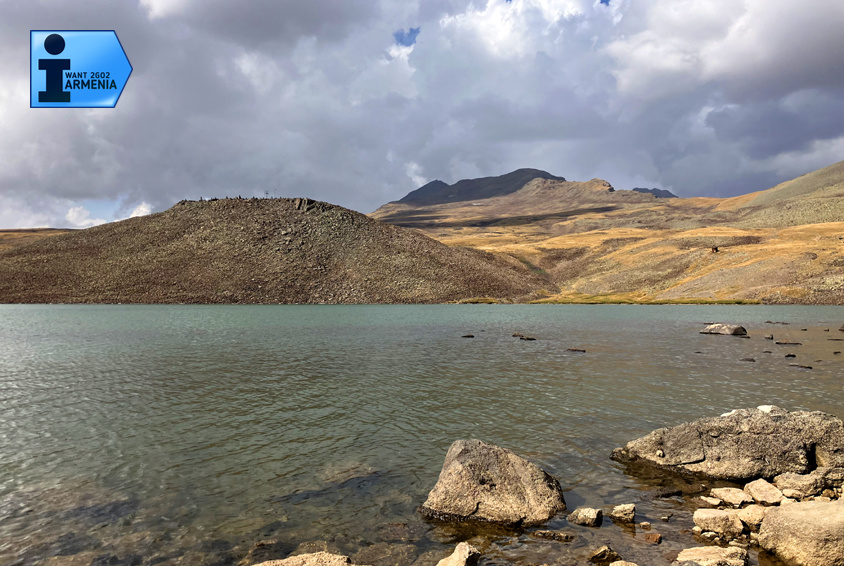
Lake Kari >>>>>>>>>>>>>>>>>>>>>>>>>>>>>>>>>>>>>>>>>>>>>>>>>>>>> Book a tour to Lake Kari Kasakh Gorge (Aragatsotn) R6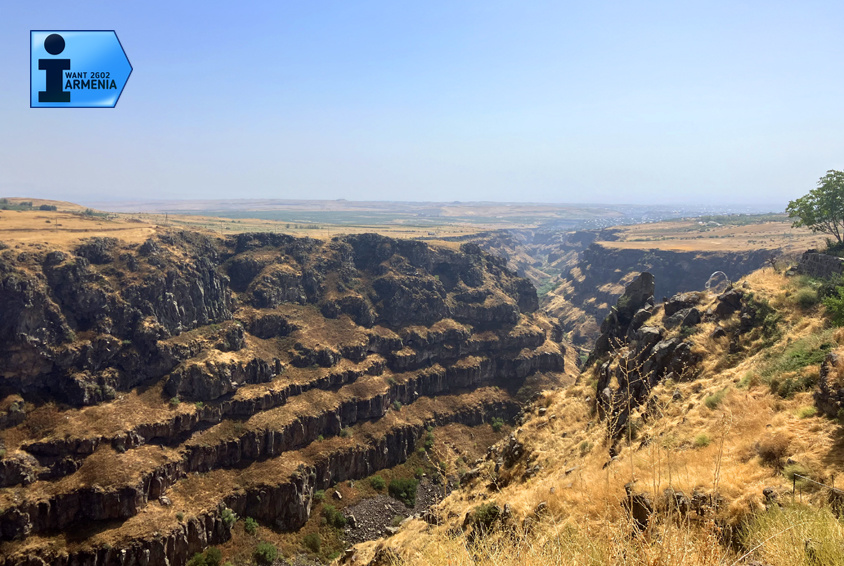
Kasakh Gorge >>>>>>>>>>>>>>>>>>>>>>>>>>>>>>>>>>>>>>>>>>>>>>>>>>>>> Book a tour to Kasakh Gorge Lake Parz (Tavush) R3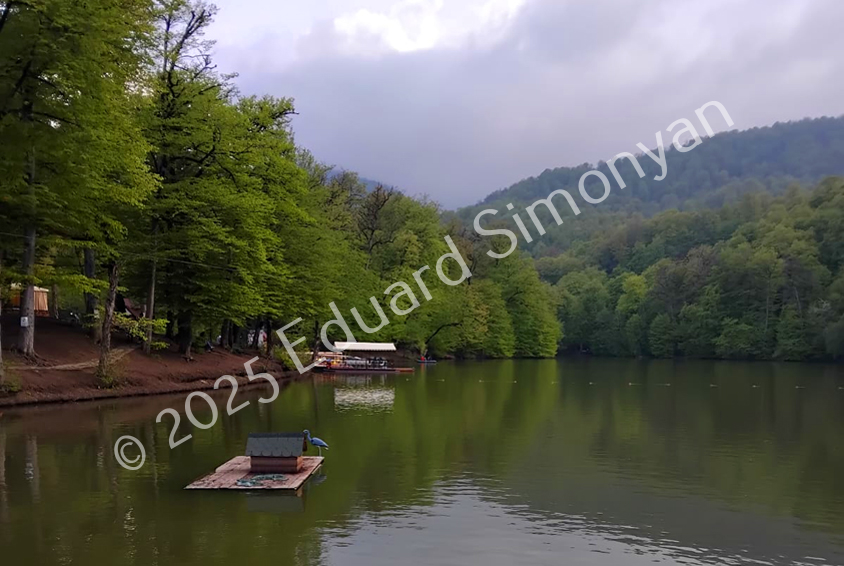
Lake Parz >>>>>>>>>>>>>>>>>>>>>>>>>>>>>>>>>>>>>>>>>>>>>>>>>>>>> Book a tour to Lake Parz |
| info@iwant2go2armenia.ru | © 2025 LunTeam |
|---|