

Cultural sites and attractions, museums, monuments, and
|
Republic Square (Yerevan) R1Ye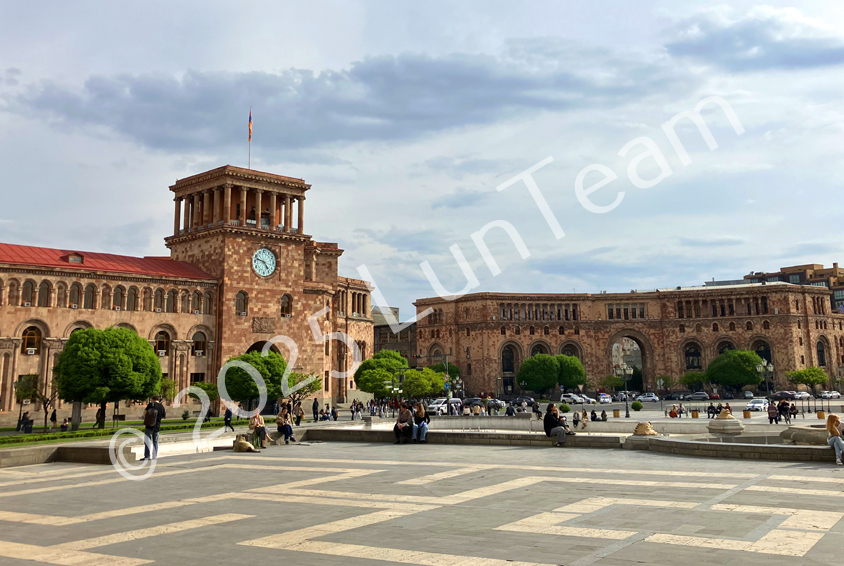
It’s best to begin exploring Armenia with its capital, Yerevan, and the heart of Yerevan is Republic Square. Despite its centuries-old history, the square acquired its modern architectural appearance in the 20th century. It is surrounded by five key buildings constructed in a neoclassical style with elements of Armenian architecture: the Marriott Hotel, two government buildings, the central post office, and the National Gallery. The square is divided into two areas: the roadway forms a circle with a traditional Armenian ornament, while the pedestrian zone is adorned by the famous Singing Fountain, which puts on light-and-music shows in the evenings. This is more than just an architectural landmark - concerts, festivals, and holiday events are regularly held here. The atmosphere is especially charming in the evening, when the lights turn on and melodies accompany the dancing water. The impressive buildings, especially the clock tower, make it a popular backdrop for photos. The Grand Cascade (Yerevan) R1Ye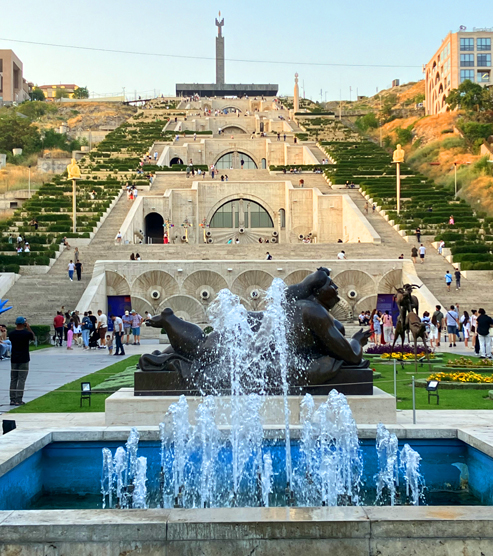
The Grand Cascade is one of Yerevan’s most iconic architectural complexes and often appears on the city’s postcards. It consists of five terraces decorated with fountains, flowerbeds, art installations, and relaxation areas. In spring and summer, it hosts classical and jazz concerts that attract large audiences. Inside the Cascade is the Cafesjian Center for the Arts, founded by Armenian-American businessman Gerard Cafesjian. Its collection includes works by prominent 20th–21st-century artists and sculptors such as Marc Chagall, Andy Warhol, and John Altoon. The museum entrance is located to the left of the staircase, and its exhibits are displayed along the escalators and in three halls connected by elevators. The Cascade begins at the monument to architect Alexander Tamanyan, situated at the foot of the complex. Visitors can reach the top either on foot-climbing 572 steps-or by using the escalator. From the upper viewing platform, 250 meters above the city, there is a magnificent panorama of Yerevan. Cozy cafés and restaurants offering traditional Armenian cuisine are located around the Cascade. Construction of the upper part of the complex, left unfinished since the 1980s, is ongoing, and in the future the Cascade is expected to become even more ambitious. Dancing Fountains (Yerevan) R1YeThe Dancing Fountains on Republic Square are among the brightest evening attractions in Yerevan. Every day a light-and-music show takes place here, drawing both locals and tourists. To the sound of classical music - Verdi, Bizet, Beethoven, Mendelssohn and other composers - the water jets ‘dance’ in rhythm, creating a mesmerizing spectacle. The show has long become an essential part of the square’s atmosphere and never fails to delight its audience. North Avenue (Yerevan) R1Ye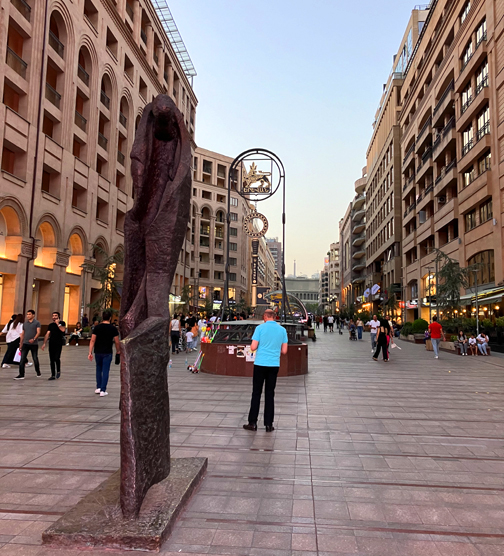
You’ll most likely find yourself here while walking between Republic Square and the Opera House. Northern Avenue is short - just a couple of blocks - but lively: it is home to hotels, embassies, boutiques of well-known brands such as Boss, Ralph Lauren, Burberry, and Emporio Armani, as well as many cozy cafés for any taste and budget. I recommend stopping by Espress It - a great place for a break. Despite its modest length, the avenue has its own charming atmosphere: street musicians, artists, and photogenic architecture make it perfect for a pleasant stroll and great photos for social media. Nearby, you should also visit Charles Aznavour Square, named after the legendary Armenian-French chansonnier who greatly contributed to Armenia. Within walking distance you will also find the Opera House, the Arno Babajanyan statue, Freedom Square, the Surb Zoravor Astvatsatsin Church, and the Blue Mosque - one of the few remaining in Yerevan. Matenadaran - Mesrop Mashtots Research Institute of Ancient Manuscripts (Yerevan) R1Ye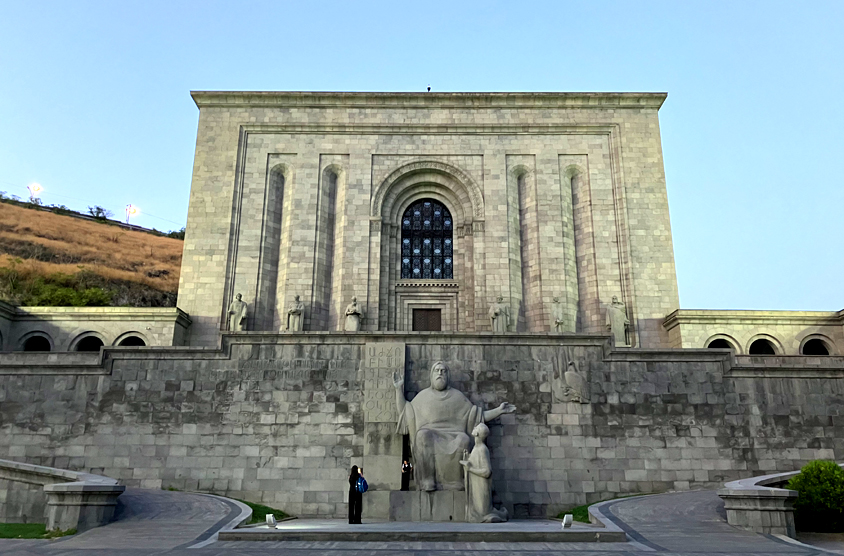
Matenadaran is one of the few places in the world where such an impressive number of ancient manuscripts are gathered under one roof. Its name translates from Armenian as “repository of manuscripts,” which precisely reflects the essence of this scientific and cultural center. The institute’s collection includes over 23,000 manuscripts and about 300,000 archival documents covering a wide range of fields-from history and philosophy to medicine and astronomy. Armenian manuscripts stand out in particular, with more than 14,000 of them, but there are also unique texts in Greek, Latin, Arabic, Persian, and other languages. Among the exhibits are truly astonishing artifacts: for example, the largest book, “Msho Charantir”, weighs 27.5 kg, while the smallest one, the “Calendar” of 1434, weighs only 19 grams. The oldest manuscript fragments date back to the 5th–6th centuries, and one of them belonged to Mesrop Mashtots, the creator of the Armenian alphabet. His statue stands right in front of the Matenadaran building. The museum section occupies a single floor, yet the richness of the exhibition is striking. To fully grasp the significance of the documents and artifacts on display, it is highly recommended to take a guided tour - you will learn many fascinating facts about the history, culture, and heritage of Armenia. The collection continues to grow, mainly thanks to benefactors of Armenian origin from Europe and the United States. Tsitsernakaberd - the Armenian Genocide Memorial and the Armenian Genocide Museum (Yerevan) R3Ye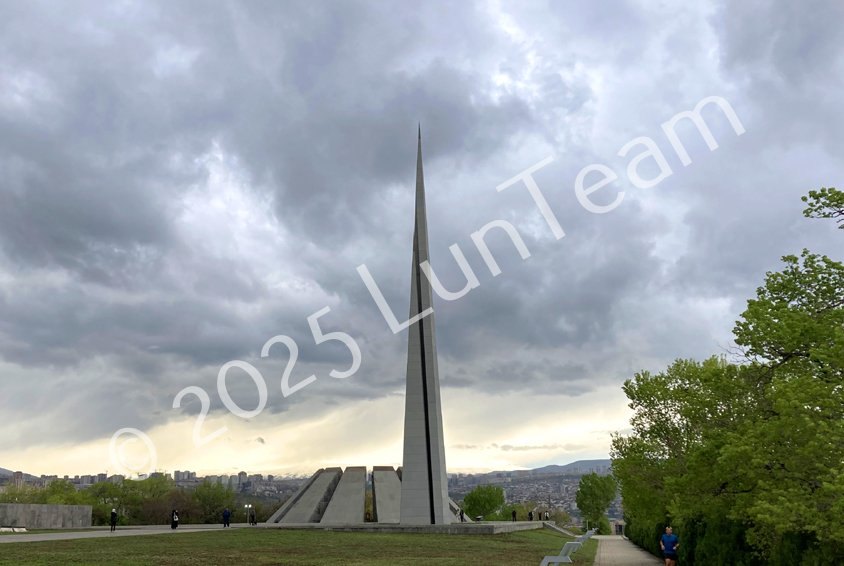
The Tsitsernakaberd Memorial Complex, which translates as ‘Swallow’s Fortress,’ was built on a hill with a scenic view of Yerevan in memory of the victims of the Armenian Genocide of 1915. The tragedy that occurred in the Ottoman Empire claimed, according to various estimates, from hundreds of thousands to 1.5 million lives and became one of the most painful chapters in the history of the Armenian people. Every year on April 24, the Day of Remembrance, thousands of people come here to honor the victims, lay flowers at the Eternal Flame, and reflect on what the nation endured. The central element of the complex is a mausoleum made up of 12 leaning pylons symbolizing the historic Armenian provinces that are now located within the borders of Turkey. At the heart of the memorial stands the Eternal Flame, surrounded by a stone ring. Nearby rises a tall split stele, representing the division of the Armenian people between the Homeland and the diaspora. In the evening, the monument is illuminated, giving the place an even more poignant atmosphere. The complex was built over two years, but its architectural design was not fully completed until the 1990s. Accompanied by the mournful music that plays near the Eternal Flame, the atmosphere becomes especially moving. Not far from the monument is the Armenian Genocide Museum-Institute, which displays rare documents, letters, photographs, and testimonies of those who survived the tragedy. The exhibition not only recounts the horrific events of 1915–1916 but also highlights the resilience, culture, and spiritual strength of the Armenian people. Entry is free, and in the absence of a guide, visitors can read the information provided beneath the exhibits on their own. Also nearby is a sports and concert complex whose silhouette resembles a giant bird with outstretched wings-another symbol of memory, freedom, and rebirth. Mother Armenia Monument (Yerevan) R1Ye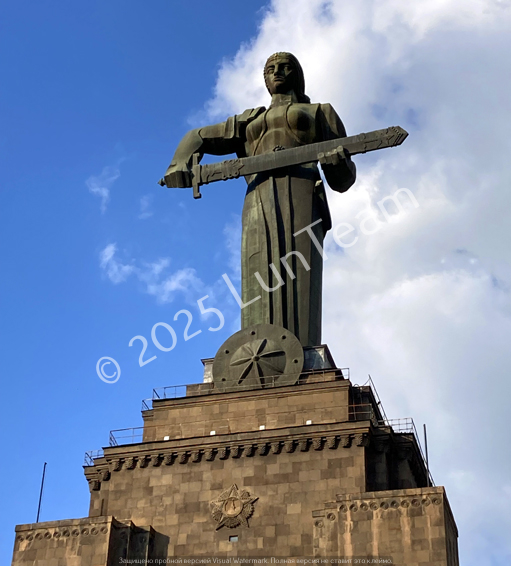
The ‘Mother Armenia’ Monument is not just a symbol of strength and protection, but also a monument with an interesting history. Few people know that sculptor Ara Harutyunyan gave the statue the features of two real women: his wife and a random passerby he once saw in a store. Thanks to this blend, the sculpture embodies feminine firmness, maternal wisdom, and youthful softness. The monument was erected in 1967 on the pedestal where a statue of Joseph Stalin once stood. After the denunciation of the cult of personality, the previous monument was dismantled, and the remaining pedestal was reused. This is why it appears so massive compared to the statue itself. However, its size is justified: inside it houses a museum dedicated to Armenia’s participation in the Great Patriotic War. The museum spans three levels and features documents, artifacts, and exhibits that tell the story of the heroism of Armenian soldiers. Nearby, an open-air exhibition showcases military equipment-from the legendary ‘Katyusha’ rocket launchers to T-34 tanks, symbolizing strength and victory. History Museum of Armenia (Yerevan) R1Ye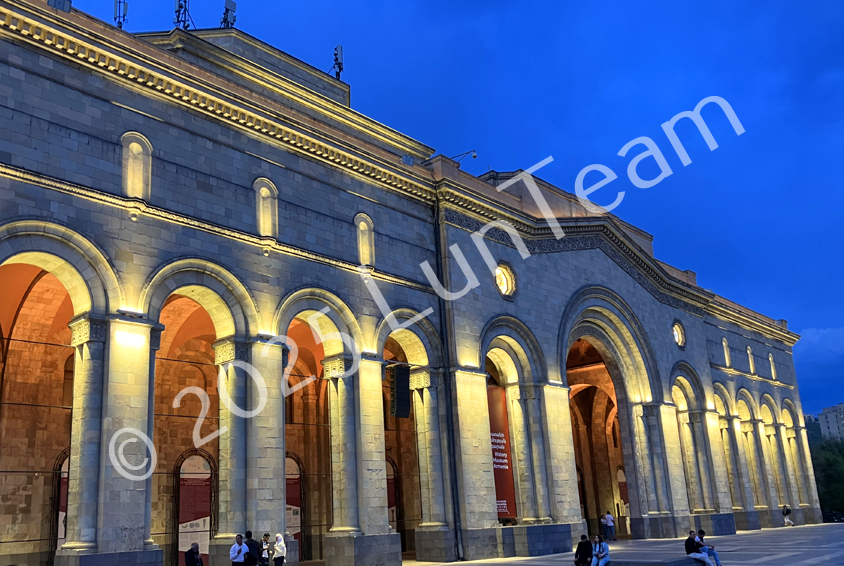
The History Museum of Armenia is located in the very heart of Yerevan, on Republic Square, and houses an exceptionally rich collection of artifacts spanning thousands of years. Of particular interest is its collection of bronze items dating back to the 3rd–2nd millennia BC, and the total number of exhibits exceeds 400,000. The core of the museum’s collection consists of archaeological findings and numismatics: here you can see ancient Armenian coins and a cuneiform inscription that attests to the founding of Yerevan. In the same building, on the upper floors, is the National Gallery of Armenia-the country's largest collection of Armenian fine arts, showcasing both classical and contemporary works. National Gallery (Yerevan) R1Ye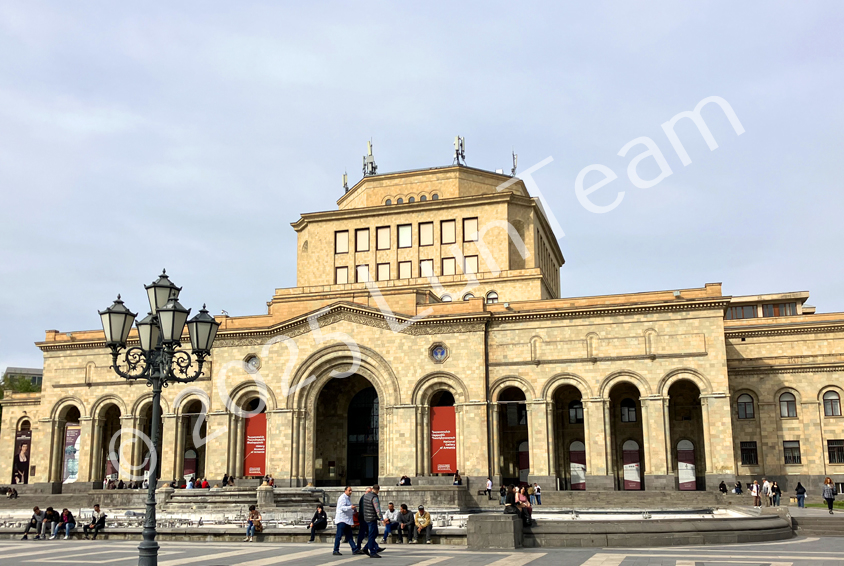
Those interested in painting and sculpture should definitely visit the National Gallery of Armenia - the country’s main art museum, founded in 1921. It houses the largest collection of Armenian fine art, covering various eras and artistic movements. The gallery’s halls feature works by outstanding Armenian masters, whose paintings are true masterpieces. Charles Aznavour Center (Yerevan) R1Ye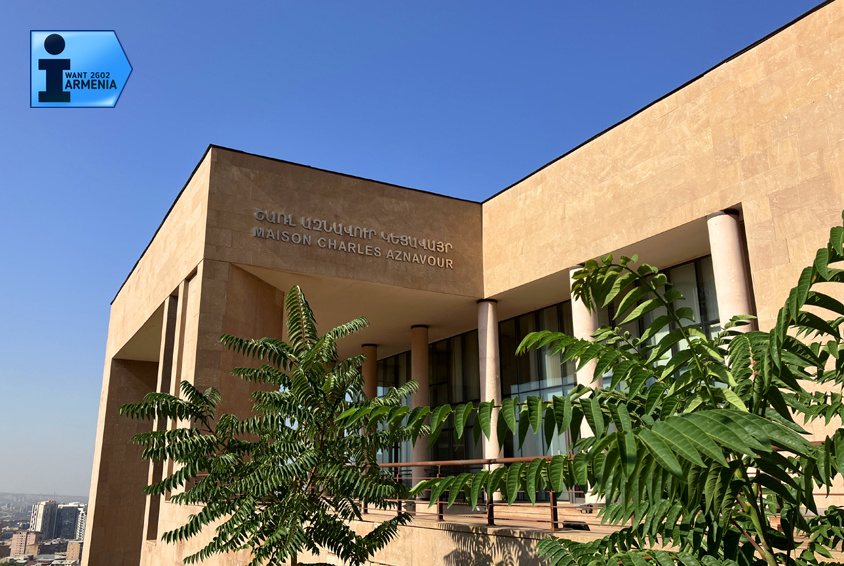
Charles Aznavour Center Alexander Spendiaryan National Academic Opera and Ballet Theatre (Yerevan) R1Ye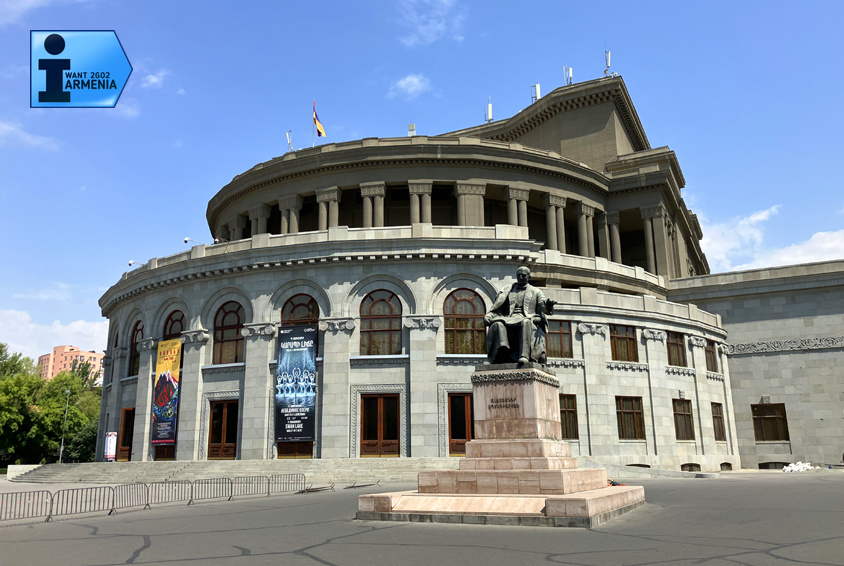
Alexander Spendiaryan National Academic Opera and Ballet Theatre Swan Lake (Yerevan) R1Ye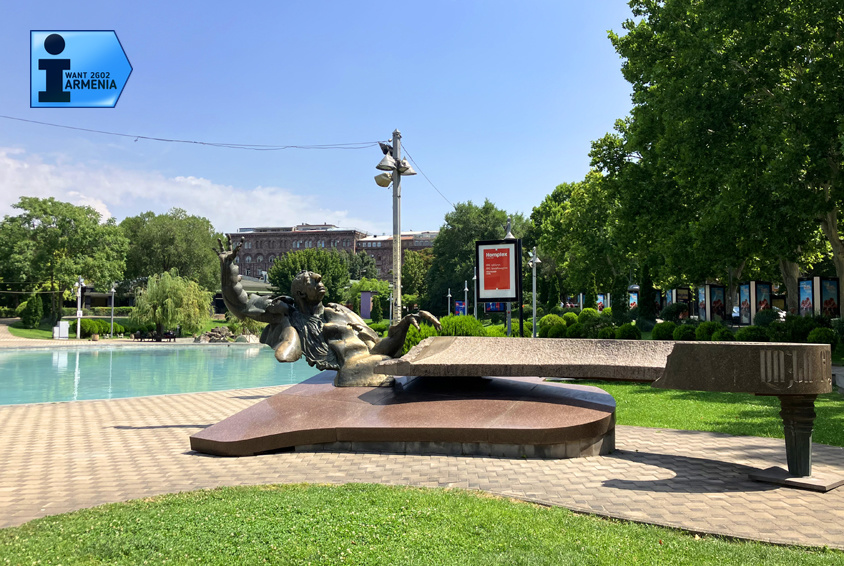
Swan Lake, the Arno Babajanyan Monument Genre Sculpture “Karabala” (Yerevan) R1Ye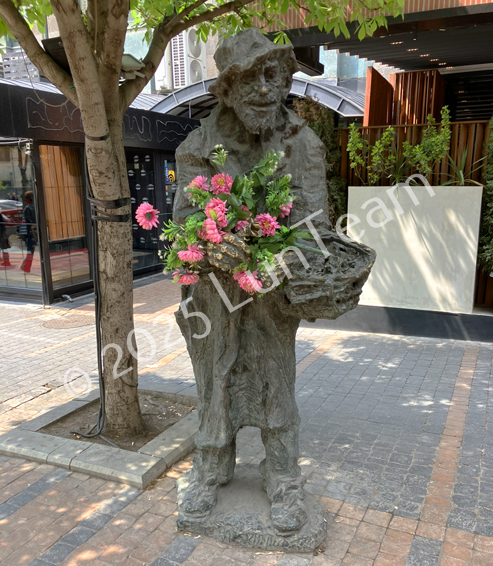
Genre Sculpture “Karabala” Sergey Parajanov Museum (Yerevan) R3Ye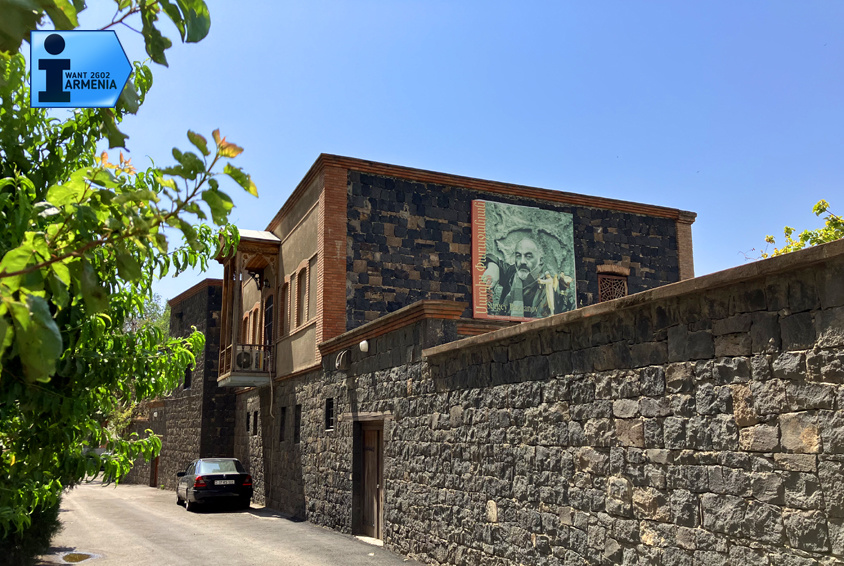
Sergey Parajanov Museum Genre Sculpture “Backgammon Player” (Yerevan) R1Ye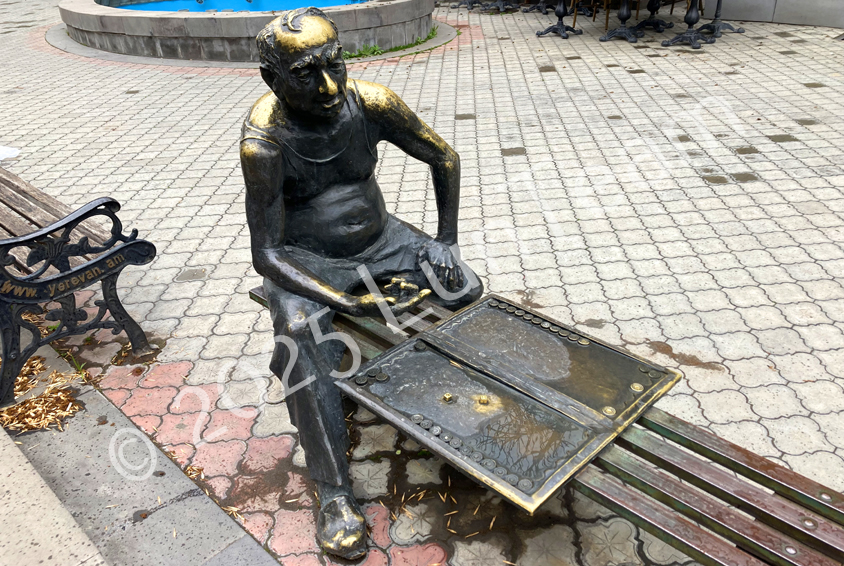
Genre Sculpture “Backgammon Player” Blue Mosque (Yerevan) R3Ye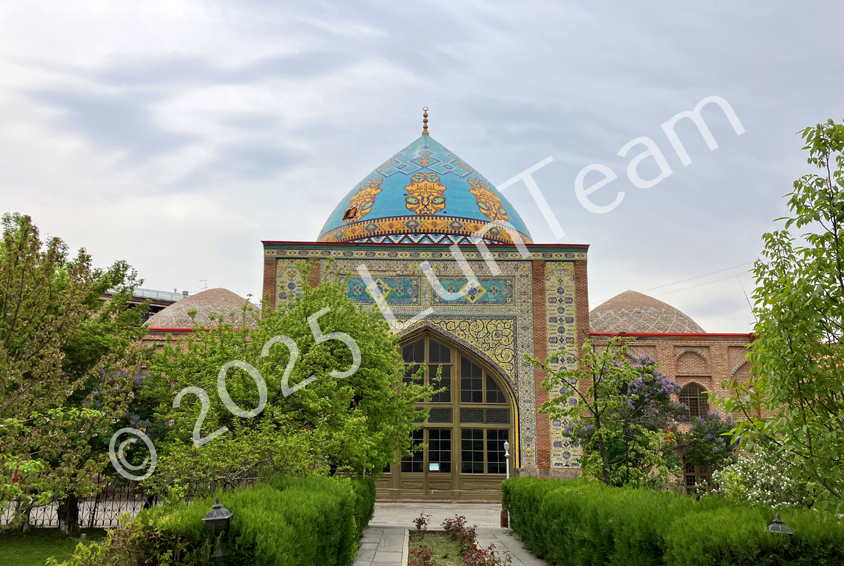
Blue Mosque Yerevan 2800th Anniversary Park (Yerevan) R3Ye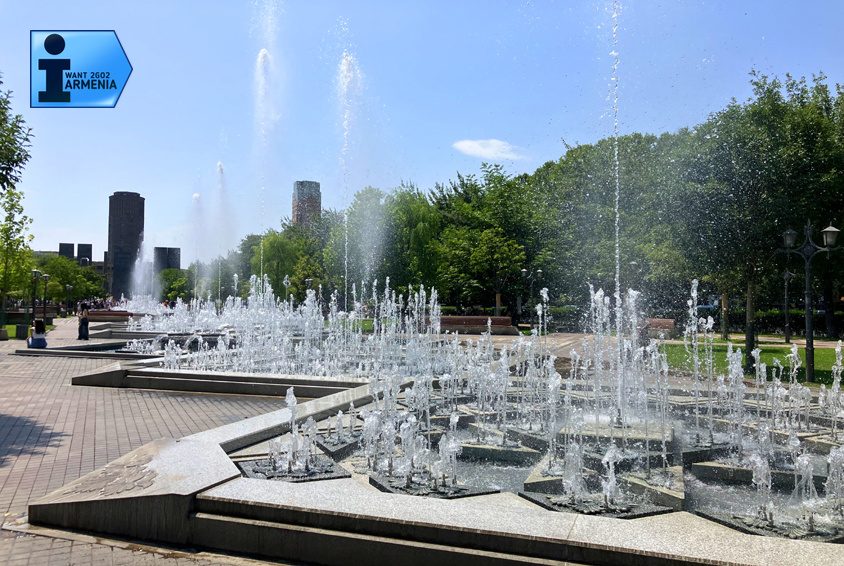
Yerevan 2800th Anniversary Park Martiros Saryan Square (Yerevan) R1Ye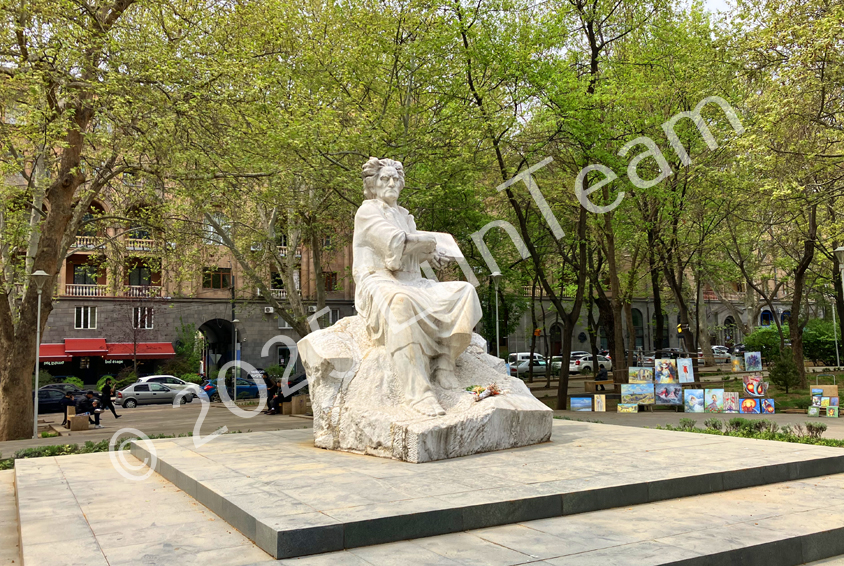
Martiros Saryan Square Genre Sculpture “Melancholy” (Yerevan) R2Ye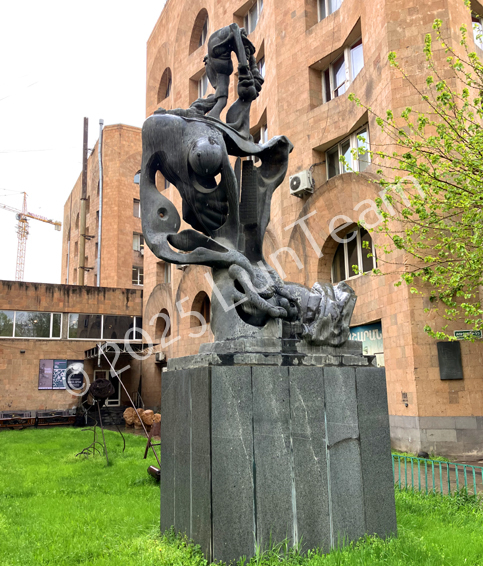
Genre Sculpture “Melancholy” Genre Sculpture “The Reading Enthusiast” (Yerevan) R2Ye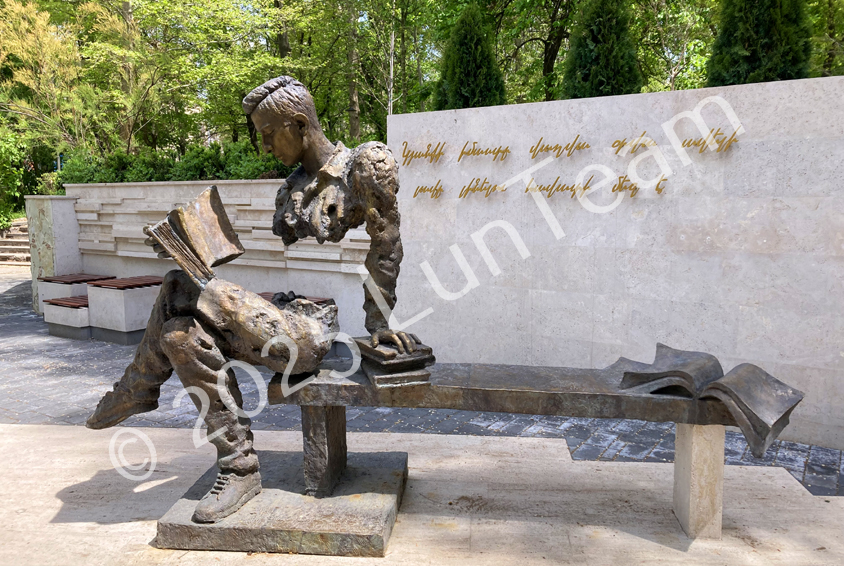
Genre Sculpture “The Reading Enthusiast” Khachkars Square (Yerevan) R2Ye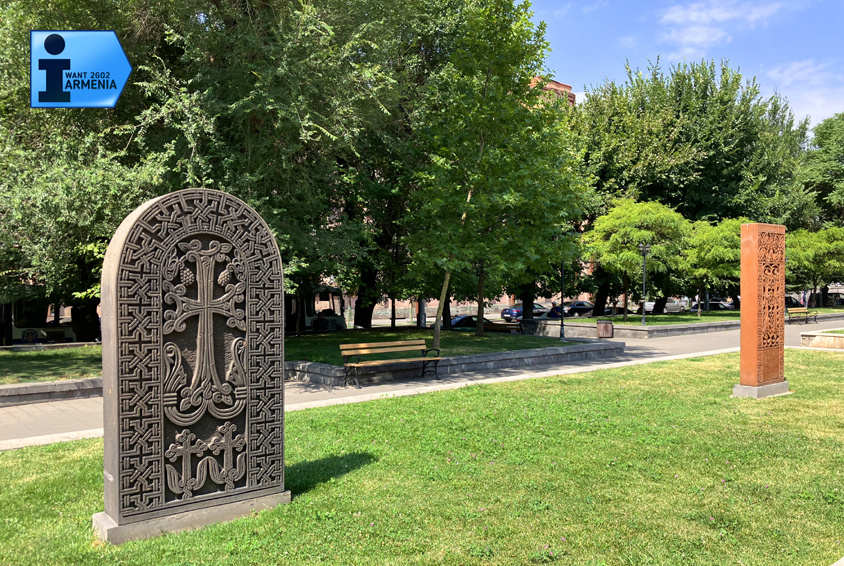
Khachkars Square Armenian Alphabet Monument (Aragatsotn) R6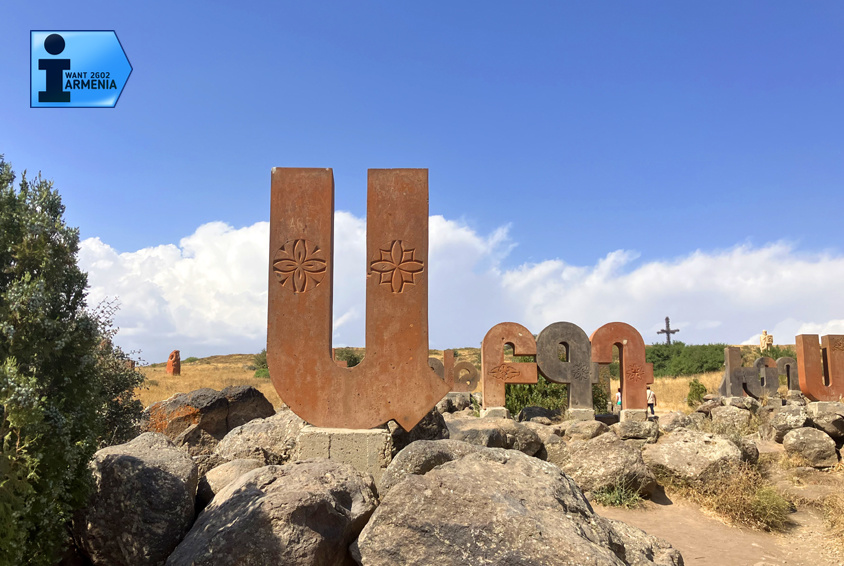
The Armenian Alphabet Monument, also known as the Alphabet Park, was erected in 2005 to commemorate the 1600th anniversary of the creation of the Armenian script. The composition is located at the foot of Mount Aragats and consists of an alley of 39 massive letters carved from tuff, each decorated with elegant ornamental carvings. Next to the letters stand sculptures of prominent Armenian thinkers. The alphabet was created in the 5th century to promote Christianity and became an essential part of the national identity, of which Armenians are justifiably proud. >>>>>>>>>>>>>>>>>>>>>>>>>>>>>>>>>>>>>>>>>>>>>>>>>>>>> Book a tour to Armenian Alphabet Monument Geological Museum of Goris (Syunik)The Geological Museum, located on the central square of Goris, houses many fascinating exhibits, among which two unique artifacts stand out in particular. The first is a 5.5-kg bronze statuette of a lion dating back to the Urartian period (7th century BC). In Urartu, the lion was considered a symbol of royal power. The second rare exhibit is a five-faced idol dated to the second millennium BC. Its origin and meaning are still debated among scholars. Some associate it with the multi-faced deities of Egyptian or Indian mythology, while others link it to ancient civilizations, including the mythical Atlantis. Metsamor Museum-Reserve (Armavir)The museum's exhibition includes more than 27,000 archaeological artifacts. The first floor features finds from the Metsamor fortress and the adjacent necropolis - ranging from the Early Bronze Age to the medieval period. The second floor is dedicated to crafts and ritual objects. The basement exhibits are of particular interest: jewelry made of gold, silver, amber, and semi-precious stones, crafted with such a high level of skill that the technology behind their creation still remains a mystery to specialists. Megerian Carpet Factory-Museum (Yerevan)Carpet weaving holds a special place in the culture and daily life of the Armenian people - for centuries, carpets have been an integral part of everyday living. At the Megerian Carpet Museum, you can explore the traditions of this ancient craft and see unique examples. One of the oldest exhibits is the 400-year-old ‘Vaspura’ carpet. The collection also features a replica of the Pazyryk carpet - the oldest known pile carpet (the original is kept in the Hermitage Museum and dates back to the 5th-4th centuries BC). A particularly striking exhibit is the ‘Vaganagorg’ carpet, which is over 160 years old. During the Armenian Genocide, a mother cut it in half and gave each part to her daughters so they could find each other in the future. This reunion happened half a century later - the two halves came together again, just like their owners. |
| info@iwant2go2armenia.ru | © 2025 LunTeam |
|---|